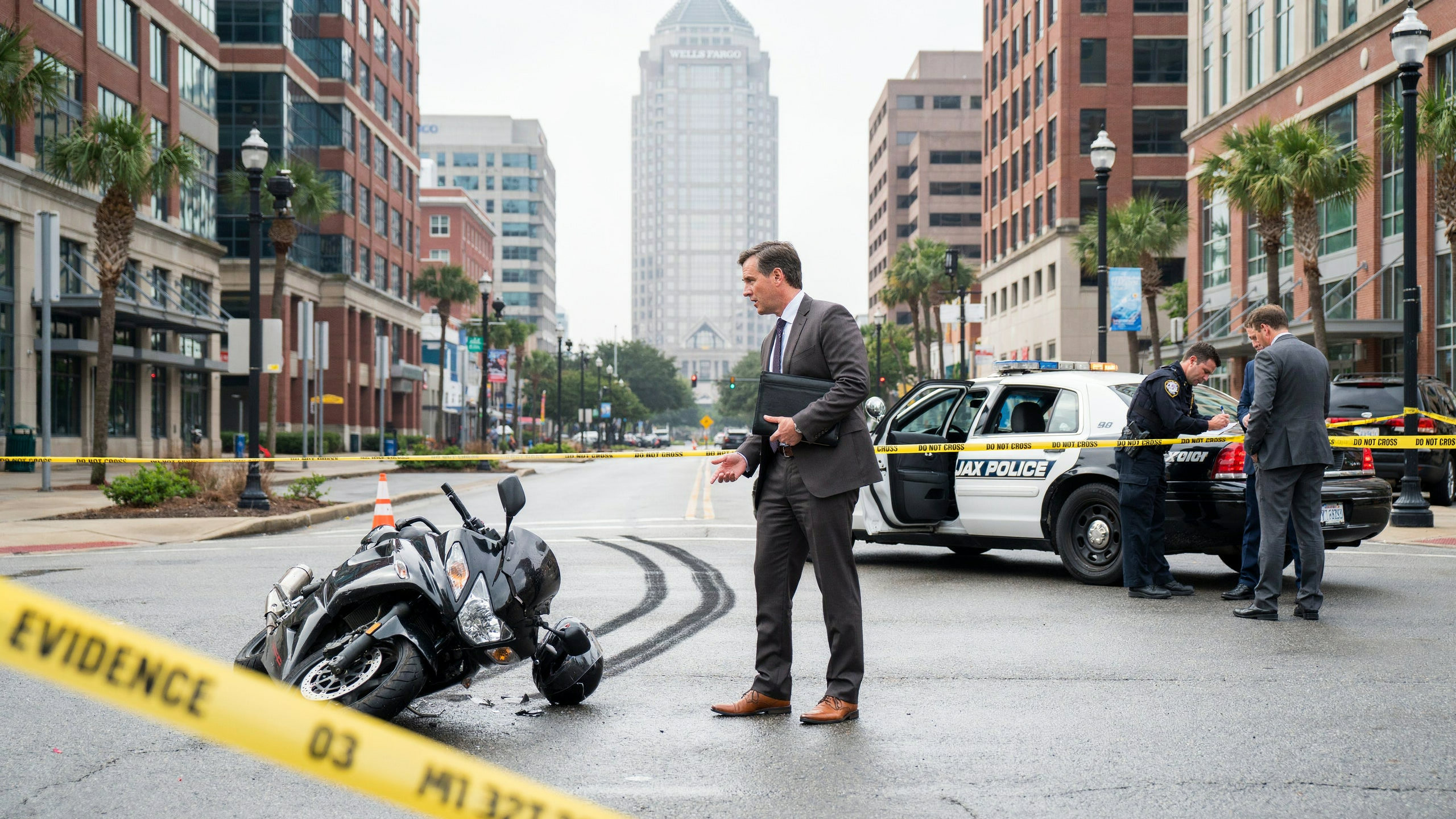

Motorcycle accidents in Jacksonville can result in serious injuries because riders lack a car’s protective frame, airbags, and seat belts. A collision may throw a rider onto the pavement or into another vehicle, causing head trauma, fractures, spinal injuries, or internal bleeding. Heavy traffic, unsafe turns, limited visibility, speeding, and changing road or weather conditions can increase crash risks and worsen injuries. Prompt medical care and careful documentation may support recovery. The Law Offices of Anidjar and Levine can help riders understand their options; learn more from a Jacksonville Motorcycle Accident Lawyer.
Why Motorcycle Accidents in Jacksonville Often Result in Serious Injuries
Motorcycle accidents in Jacksonville often cause serious injuries because riders have little protection from the force of a collision. The severity of harm can depend on speed, road conditions, visibility, and whether another driver failed to yield or follow traffic laws. Even a seemingly minor crash may lead to fractures, burns, head trauma, or lasting pain, requiring prompt medical attention and careful documentation.
Protective Clothing, including a properly fitted helmet, abrasion-resistant garments, gloves, and sturdy footwear, can reduce some injuries, though it cannot prevent every consequence. Rider Training may help motorcyclists recognize hazards, improve control, and respond more safely to changing traffic conditions. These precautions support safety but do not shift responsibility away from a negligent driver.
After a collision, injured riders may benefit from preserving photographs, witness details, medical records, and the crash report. A qualified attorney can assess potential claims, explain deadlines, and help families pursue accountability while treatment and recovery remain the priority. Each case depends on its specific facts and applicable law.
How Motorcycles Offer Less Protection Than Cars
Because motorcycles lack the protective structure of cars, riders are more exposed to impact forces in a collision. Cars surround occupants with a metal frame, doors, airbags, seat belts, and crumple zones designed to absorb or redirect energy. Motorcycles provide no comparable cabin, so a rider may be thrown from the vehicle or strike the roadway or another object. Even at moderate speeds, direct contact can cause fractures, head trauma, or severe skin injuries.
Protective gear, including a certified helmet, reinforced clothing, gloves, and sturdy footwear, can reduce some injuries, but it cannot eliminate the risks created by limited vehicle barriers. Its effectiveness also depends on proper fit and use. These differences help explain why motorcycle crashes may require extensive medical care and recovery. When a rider is injured, clear documentation of the crash, treatment, and losses can assist with evaluating a legal claim. Compassionate support can also help injured people and their families manage recovery and seek appropriate guidance.
Common Causes of Motorcycle Accidents in Jacksonville
Limited protection can make the consequences of a crash more severe, while the circumstances that cause motorcycle accidents vary. In Jacksonville, collisions often occur when drivers fail to notice motorcycles, misjudge their speed, or overlook them in blind spots. Left turns across a rider’s path are especially dangerous, as are other unsafe turns made without checking for approaching traffic. Impaired driving can further compromise judgment, reaction time, and attention, increasing risks for everyone on the road.
Speeding, following too closely, and distracted driving may also contribute to crashes. A driver who changes lanes without signaling or checking mirrors can force a motorcyclist into a sudden evasive action. Riders may also lose control after another road user creates an unexpected hazard. These circumstances do not automatically establish fault; investigators assess evidence, applicable traffic laws, and each person’s conduct. Understanding common causes can support safer decisions and help injured riders and families seek informed guidance after a collision.
How Jacksonville Road Conditions Increase Crash Risks
Uneven pavement, loose gravel, and standing water can quickly destabilize a motorcycle on Jacksonville roads. Potholes, worn lane markings, and abrupt pavement shifts may disrupt a rider’s balance or reduce tire traction, leaving little time to respond. Rain can conceal road defects and create slick surfaces, while debris near intersections or on shoulders may force sudden adjustments.
Construction zone hazards merit particular attention. Temporary lane shifts, uneven road plates, loose materials, and unclear signs can make a route difficult to travel. Riders may face added risk when work areas lack adequate warnings or safe, consistent surfaces. Drivers and road crews also share responsibility for remaining alert and keeping work zones orderly.
When a road defect contributes to a crash, photographs, witness accounts, and timely reporting may help document what occurred. Affected riders should seek medical care and consider speaking with a qualified attorney about possible claims. Careful road maintenance and thoughtful driving can help protect everyone who depends on Jacksonville’s streets.
Why Speed Makes Motorcycle Injuries More Severe
Higher speeds increase the force of impact, often making a motorcycle crash more likely to cause severe injuries. Speed also reduces the time a rider has to react to hazards or avoid a collision. These factors can affect both injury outcomes and the legal assessment of a Jacksonville motorcycle accident.
Greater Impact Force
When a motorcycle travels faster, it can strike with greater force, increasing the risk of severe or life-altering injuries. Collision physics explains why: speed sharply increases the energy released in a crash, while a motorcycle’s lower vehicle mass offers its rider little protection against a car, pavement, or roadside object. The resulting impact may cause:
- A rider to be thrown onto the roadway
- A helmet to strike a vehicle or curb
- Limbs to hit hard surfaces or debris
- A motorcycle to slide beneath another vehicle
These forces can lead to fractures, head trauma, spinal injuries, and lasting disability. For Jacksonville riders and those who share the road, reducing speed can lessen crash severity and help protect families and communities. After a collision, prompt medical care and careful documentation can support recovery and any legal claim.
Reduced Reaction Time
The force of a motorcycle crash is only part of the danger; speed also leaves a rider less time to respond to hazards. A vehicle turning across a Jacksonville intersection, sudden traffic, or debris may demand split second decisions. At higher speeds, a rider covers more distance before recognizing danger and beginning to brake. That shorter window can lead to delayed braking, a collision, or an evasive action that causes the motorcycle to slide or overturn. Even a careful rider may have limited options when another driver acts unexpectedly. These circumstances help explain why speed can make injuries more severe, though the facts of each crash matter. Drivers and riders who leave adequate space, obey speed limits, and remain alert can help protect everyone sharing the road.
The Role of Visibility in Motorcycle Accidents
Visibility can affect whether drivers notice motorcycles in blind spots or during lane changes. Low-light conditions in Jacksonville may further increase collision risks. High-visibility gear and properly functioning lights can help riders be seen, though they cannot prevent every crash.
Blind Spots and Lane Changes
Although motorcycles are smaller and less visible than cars, drivers must check mirrors and blind spots before changing lanes. In Jacksonville traffic, a brief failure to notice a rider can cause a collision with severe consequences. Proper mirror placement and blind zone awareness help drivers assess surrounding traffic, but mirrors alone cannot reveal every vehicle. A deliberate shoulder check before moving is necessary.
- A motorcycle may disappear beside a car’s rear quarter panel.
- A rider can approach quickly while a driver focuses ahead.
- An unchecked lane change may force a rider into another lane.
- Sudden swerving can lead to a fall or impact with nearby vehicles.
Drivers who signal early, maintain space, and change lanes only when clear help protect vulnerable road users. When a crash occurs, careful documentation and prompt medical attention can support the injured rider’s recovery and legal options.
Low-Light Visibility Risks
Beyond lane-change hazards, low-light conditions can make motorcycles harder to detect on Jacksonville roads, particularly at dawn, dusk, or in poorly lit areas. During Night riding, reduced contrast and limited sight distance can delay a driver’s recognition of a motorcycle, leaving less time to brake or control the vehicle safely. Dark clothing may further reduce a rider’s visibility against unlit backgrounds, especially where street lighting is inconsistent. These conditions can affect a driver’s ability to perceive distance and speed, increasing the risk of a collision at intersections or along roadways. Motorcyclists and motorists share responsibility for attentive, cautious travel, but drivers must still use reasonable care to watch for all road users. When a crash occurs, visibility conditions may be relevant to understanding how it happened and whether preventable conduct contributed to resulting injuries.
High-Visibility Gear and Lights
To improve conspicuity in low-light conditions, motorcyclists may use reflective or brightly colored gear and keep their headlights and other required lights in good working order. These steps can help other road users notice a motorcycle sooner, though they cannot prevent every collision. Riders can also:
- Apply Reflective Helmet Strips that catch headlights at intersections.
- Wear a bright jacket visible against dark pavement.
- Check brake lights and turn signals before each ride.
- Consider properly installed Auxiliary Lighting to improve visibility without blinding others.
Drivers who see riders clearly have more time to yield, change lanes carefully, and avoid sudden movements. Jacksonville motorcyclists should choose compliant equipment and maintain it regularly. When a crash occurs, visibility evidence may matter in evaluating how the collision happened, but responsibility depends on the facts. Consistent precautions support safer roads for everyone.
How Helmet Use Affects Injury Severity
Helmet use can substantially reduce the risk of severe head and brain injuries in a motorcycle crash, though it cannot prevent every injury. A properly worn helmet absorbs and distributes some impact force, offering an essential layer of protection when a rider is thrown or strikes a hard surface. Its effectiveness depends on correct selection and use. Helmet fit matters: a helmet should sit level, feel snug without painful pressure, and remain securely fastened. Riders should also check helmet certification and choose a model that meets applicable safety standards, rather than relying on appearance or price alone.
Florida law generally requires helmets for riders under 21; older riders may ride without one if they meet specified insurance coverage requirements. Legal permission does not eliminate the safety benefits of wearing a helmet. Encouraging consistent helmet use can help protect riders and reduce the burden serious crashes place on families and communities. After a collision, an injured person may benefit from prompt medical care and guidance about preserving relevant evidence.
Common Injuries in Jacksonville Motorcycle Accidents
Motorcycle crashes in Jacksonville can cause serious head and brain trauma, road rash, and fractures. Injury severity depends on factors such as impact force, protective gear, and the circumstances of the collision. Prompt medical care and careful documentation can support both recovery and any related legal claim.
Head and Brain Trauma
Head and brain trauma can occur when a rider’s head strikes the pavement, another vehicle, or roadside objects in a Jacksonville motorcycle crash. Even with a helmet, a rider may suffer a concussion or a more serious traumatic brain injury. Symptoms can appear immediately or develop later, so prompt medical assessment is important.
- A brief loss of consciousness or confusion at the scene
- Headaches, dizziness, or nausea during the hours after impact
- Trouble remembering events or concentrating on simple tasks
- Sensitivity to light, sound, or ordinary conversation
Concussion recovery may require rest, monitoring, and follow-up care. Some riders benefit from cognitive rehabilitation to address lasting difficulties with memory, attention, or processing. Medical records can help document the injury and its effects. When negligence may have contributed to a crash, preserving evidence and obtaining legal guidance can help protect the injured rider’s interests while family members focus on care.
Road Rash and Fractures
Beyond head injuries, a Jacksonville motorcycle crash can leave riders with painful road rash and fractures when they slide across pavement or are thrown against a vehicle or roadway. Abrasions may damage several layers of skin, become infected, and require extensive cleaning, dressings, or surgery. Fractures can affect the arms, legs, ribs, or pelvis, limiting mobility and creating substantial medical expenses. Protective clothing, including abrasion-resistant jackets, gloves, pants, and boots, can reduce skin injuries, though it cannot prevent every harm. Prompt medical assessment helps identify hidden fractures and supports appropriate treatment. Riders should preserve medical records, photographs, and crash details, which may help establish the injuries’ cause and extent. In Jacksonville, an injured rider may seek guidance about available legal options while focusing on recovery and care for others.
Why Head and Brain Injuries Are Especially Dangerous
Because riders have little protection from impact, a crash can cause a traumatic brain injury even when the head does not strike the pavement directly. Sudden acceleration or rotation can jolt the brain inside the skull, disrupting vital functions and requiring prompt medical assessment. Symptoms may emerge gradually, so a rider who initially seems alert still needs careful observation.
Warning signs can include:
- Confusion or difficulty following conversation
- A worsening headache or repeated vomiting
- Unusual sleepiness, dizziness, or poor balance
- Blurred vision, memory gaps, or mood changes
Emergency neurological monitoring can help clinicians identify bleeding, swelling, or other complications before they become life-threatening. Loved ones can assist by noting changes and sharing accurate details with medical professionals, without delaying emergency care. Recovery varies, and long term cognitive effects may affect concentration, memory, or daily independence. In Jacksonville, documenting the collision and resulting injuries may also help establish the facts in an insurance claim or legal case. Compassionate support and timely evaluation protect both health and future options.
How Road Rash and Fractures Can Require Extensive Treatment
A motorcycle collision can cause serious injuries beyond brain trauma, including road rash and fractures that require prolonged care. Road rash may remove several layers of skin, leaving wounds vulnerable to debris and Wound infection. Medical teams may clean and dress the injuries, prescribe medication, or perform skin grafts when damage is extensive. Follow-up care and scar management can help protect recovering tissue and address lasting marks or restricted movement.
Fractures may require imaging, casting, surgery, or implanted hardware to restore alignment and stability. Recovery can involve rehabilitation and repeated appointments, while pain or limited mobility may affect work and daily responsibilities. Prompt evaluation is important because untreated complications can worsen outcomes. Riders should follow clinicians’ instructions and keep records of treatment, expenses, and time away from work. Such documentation may help clarify the injury’s effects if an insurance claim or legal action arises. A qualified attorney can explain available options without distracting from the injured person’s recovery or need for support.
What Happens When a Motorcycle Rider Is Thrown From a Bike?
When a rider is thrown from a motorcycle, impact with the road can cause severe trauma, even when protective gear is worn. The rider may also face secondary collisions with vehicles or roadside objects. These events can result in serious head, spinal, or internal injuries that require prompt medical care.
Impact With The Road
Thrown from a motorcycle, a rider may strike the pavement with little protection between the body and the road. The force can cause fractures, head trauma, and extensive skin injuries. Abrasion severity often depends on speed, clothing, and pavement friction; even protective gear may not prevent all harm. Visible injuries may understate internal damage, so prompt medical evaluation is important.
Road impact can leave a rider with:
- Torn clothing and scraped skin where fabric shifts or fails.
- Bruising and fractures from direct contact with the ground.
- Head or facial injuries if the helmet strikes the pavement.
- Painful wounds that require cleaning, treatment, and careful monitoring.
Those who assist should avoid moving an injured rider unless immediate danger requires it, call emergency services, and follow dispatcher instructions. Accurate documentation and timely care can support both recovery and any later assessment of the crash.
Risk Of Secondary Collisions
After a rider is ejected, the danger may continue beyond the initial impact: the rider can slide into another lane or vehicle’s path, while the motorcycle may keep moving and strike nearby traffic. Post impact vehicle movement can leave drivers little time to react, particularly on busy Jacksonville roads or at intersections. A following vehicle may swerve, brake suddenly, or collide with the rider, motorcycle, or another car. These chain reactions can create multi vehicle pileups, increasing the number of people exposed to harm and complicating emergency response. Drivers should maintain distance, watch for hazards, and avoid abrupt actions when possible. Those who witness a crash should call emergency services, warn approaching traffic only when safe, and avoid moving an injured person unless an immediate danger requires it. Prompt, careful action can help protect everyone at the scene.
Common Serious Injuries
An ejection can expose a motorcycle rider to severe injuries because the body may strike the road, another vehicle, or roadside objects without the protection of an enclosed vehicle. Even with a helmet and protective clothing, the force can cause trauma that requires urgent evaluation. Common serious injuries include:
- Head injuries, including concussion or traumatic brain injury, which may impair memory, balance, or awareness.
- Spinal fractures or damage that can affect movement and sensation.
- Broken ribs and limb fractures from direct impact or landing awkwardly.
- Soft tissue injuries and internal bleeding, which may not be immediately visible.
Bystanders should call emergency services, avoid moving the rider unless danger demands it, and follow dispatcher instructions. Prompt medical care can identify hidden injuries. Preserving the scene and documenting observations may also help investigators determine how the crash occurred and support the rider’s recovery and legal rights.
How Weather and Traffic Affect Motorcycle Safety
Weather and traffic conditions can quickly increase the risks motorcyclists face on Jacksonville roads. Rain slickness reduces tire grip and can make painted lane markings, metal surfaces, and roadway debris especially hazardous. Standing water may conceal potholes or contribute to loss of control. These conditions can leave riders with less time and space to respond when vehicles change speed or direction.
Congestion patterns around busy corridors and intersections create additional dangers. Stop-and-go traffic, sudden lane changes, and drivers entering a motorcyclist’s path can increase the chance of a collision. A motorcycle’s smaller profile may also make it harder for motorists to notice, particularly in crowded or low-visibility conditions. Heavy traffic can restrict escape routes and intensify the consequences of even a low-speed impact.
When a crash occurs, investigators may examine weather, roadway conditions, traffic flow, and driver conduct to determine how the collision happened. Recognizing these factors helps explain why Jacksonville motorcycle accidents can result in serious injuries and why careful attention from every road user matters.
Steps Riders Can Take to Reduce Their Risk of Injury
Riders can reduce the risk of injury by wearing a properly fitted, DOT-compliant helmet and protective clothing, including gloves, sturdy footwear, and abrasion-resistant gear. Protective equipment can lessen harm, though it cannot prevent every serious injury. Defensive riding also gives riders more time to respond when traffic changes unexpectedly.
Practical habits can make each trip safer for riders and those sharing the road:
- Leave ample following distance, allowing room to brake without skidding.
- Scan intersections for turning vehicles, pedestrians, and changing signals.
- Stay visible with headlights, reflective gear, and clear lane positioning.
- Check tires, brakes, lights, and controls before setting out.
Riders should adjust speed to road and weather conditions, avoid riding in blind spots, and signal lane changes early. Training can strengthen hazard awareness and emergency braking skills. These precautions support safer travel, but drivers also have a duty to watch for motorcycles and yield when required. Jacksonville riders who prepare carefully help protect themselves, passengers, and the wider community.
What Should You Do After a Motorcycle Accident?
After a motorcycle accident, safety and prompt action come first. A rider should move out of traffic only when able, call 911, and avoid removing protective gear unless necessary to address immediate danger. Emergency response personnel can assess injuries that may not be obvious. Bystanders can help by warning approaching traffic and offering calm support without moving an injured person.
| Priority | Recommended action | Purpose |
|---|---|---|
| Scene safety | Reach a safe location if possible | Reduce further collision risk |
| Medical care | Call 911 and accept evaluation | Identify and treat injuries |
| Information | Exchange names, contacts, and insurance details | Support accurate insurance documentation |
| Evidence | Photograph vehicles, conditions, and visible damage | Preserve relevant facts |
The rider should report the crash to law enforcement and request the report’s identifying information. Before leaving, if medically safe, the rider may note witnesses’ contact details and record what happened while memories remain fresh. Damaged gear and clothing should be preserved. Prompt, factual records can help clarify events and assist everyone involved.
When to Seek Legal Help After a Jacksonville Motorcycle Accident?
Once immediate safety and medical needs are addressed, a Jacksonville motorcyclist may benefit from legal advice if the crash caused significant injuries, fault is disputed, or an insurer questions the claim. A prompt Legal consultation can clarify options while the rider focuses on recovery and family responsibilities.
Legal guidance may be especially useful when the collision leaves:
- Medical bills and treatment plans spread across a kitchen table.
- A damaged helmet, motorcycle, and uncertain repair estimates.
- Witness accounts that differ about traffic signals or lane position.
- Insurance forms requesting statements before injuries are fully understood.
An attorney can help preserve evidence, review coverage, communicate with insurers, and explain how Florida law may apply. The rider should keep medical records, photographs, receipts, and correspondence, and avoid guessing about fault or accepting a settlement without understanding its effect. Claim deadlines may limit the time available to file a lawsuit, so early advice can protect available options. Seeking help is not a rejection of cooperation; it can support a fair process and reduce avoidable strain on those assisting the injured rider.
Frequently Asked Questions
How Long Do I Have to File a Motorcycle Accident Claim in Florida?
In Florida, injured riders generally have two years to file a negligence lawsuit, though Florida filing deadlines may vary under statute exceptions. Prompt legal guidance helps preserve evidence, protect rights, and support recovery after a crash.
What Compensation Can I Recover After a Jacksonville Motorcycle Accident?
After a Jacksonville motorcycle accident, eligible riders may recover Medical expense coverage, lost income compensation, rehabilitation costs, property damage, and pain-and-suffering damages. A qualified attorney can assess evidence, identify responsible parties, and explain available options compassionately.
Can I Recover Damages if I Was Partly at Fault for the Crash?
Yes, an injured rider may recover damages despite partial responsibility. Under Florida comparative negligence, compensation generally decreases by the rider’s fault percentage; shared fault consequences depend on evidence, so careful investigation and legal guidance can clarify options.
How Are Motorcycle Accident Settlements Calculated in Florida?
Florida motorcycle settlements reflect medical costs, lost income, property damage, and pain and suffering, reduced under Florida’s comparative fault rules. Motorcycle insurance policy limits and available coverage also affect recovery; careful documentation supports fair evaluation.
What Evidence Can Help Support a Motorcycle Accident Claim?
Evidence supporting a motorcycle accident claim may include Police crash reports, dashcam footage, Witness contact details, and scene photographs. Medical records, repair estimates, and promptly preserved evidence can further clarify injuries, liability, and losses for fair evaluation.
—————————
Motorcycle accidents in Jacksonville can cause severe injuries because riders have limited physical protection and face risks from traffic, road conditions, weather, and speed. Wearing protective gear, riding defensively, and maintaining a safe motorcycle can help reduce harm, but cannot prevent every crash. After an accident, prompt medical care and careful documentation may support recovery and preserve important records. When injuries, disputed fault, or insurance concerns arise, the Jacksonville Motorcycle Accident Lawyer at Law Offices of Anidjar and Levine can help riders understand their legal options and next steps.